

First things first. Last month was publication day. My book The Child in God’s Church is now out in the real world. 🎉 🥳 If you are in Australia (or happy to pay postage), you can order an analogue copy at Youthworks Media or get the Kindle version at Amazon.
But that’s not what I’m writing about today. Nor am I writing about children or church or any of the other reasons most of my readers have subscribed to this newsletter. Instead, I’m writing Off Topic, an occasional foray into other areas of curiosity for me.
This week, I’ve been thinking about selling out, inspired by the book I’ve just finished, Dan Ozzi’s Sellout: The Major-Label Feeding Frenzy that Swept Punk, Emo, and Hardcore (1994-2007).

1994-2007 were my teenage and young adult years, and therefore, according to the law of nostalgia, the greatest years of music ever. I was a Tooth ‘n’ Nail kid through and through, soaking up all the Christian punk, rock, hardcore, metal (and sometimes emo) that I could get my hands on. Which was simultaneously quite a lot (my junk mail run and bakery shifts were calculated by how many CDs they allowed me to buy that week) and also never enough (remember, kids, this was the 90s, and you had to go to a physical CD store to buy physical albums with physical cash which created a physical limit on how much music you could listen to).
Therefore, I was, in one sense, thoroughly immersed in the world that Dan Ozzi writes about but also on the Christian periphery of this movement. Once I’d cleared out my bank account on MxPx, Ghoti Hook, The Fraidy Cats, Plankeye, Five Iron Frenzy, and anything else the local Christian bookstore had imported, there wasn’t any money or Discman time left for secular acts like Blink-182, Green Day, The Offspring or Pennywise.
In the last 20 years, two things have happened. Firstly, the music scene moved from the guitar rock renaissance to being dominated by rap and pop. Rock, punk and metal bands no longer dominate the charts (do they still have charts?), and solo artists are now the ones who fill stadiums.
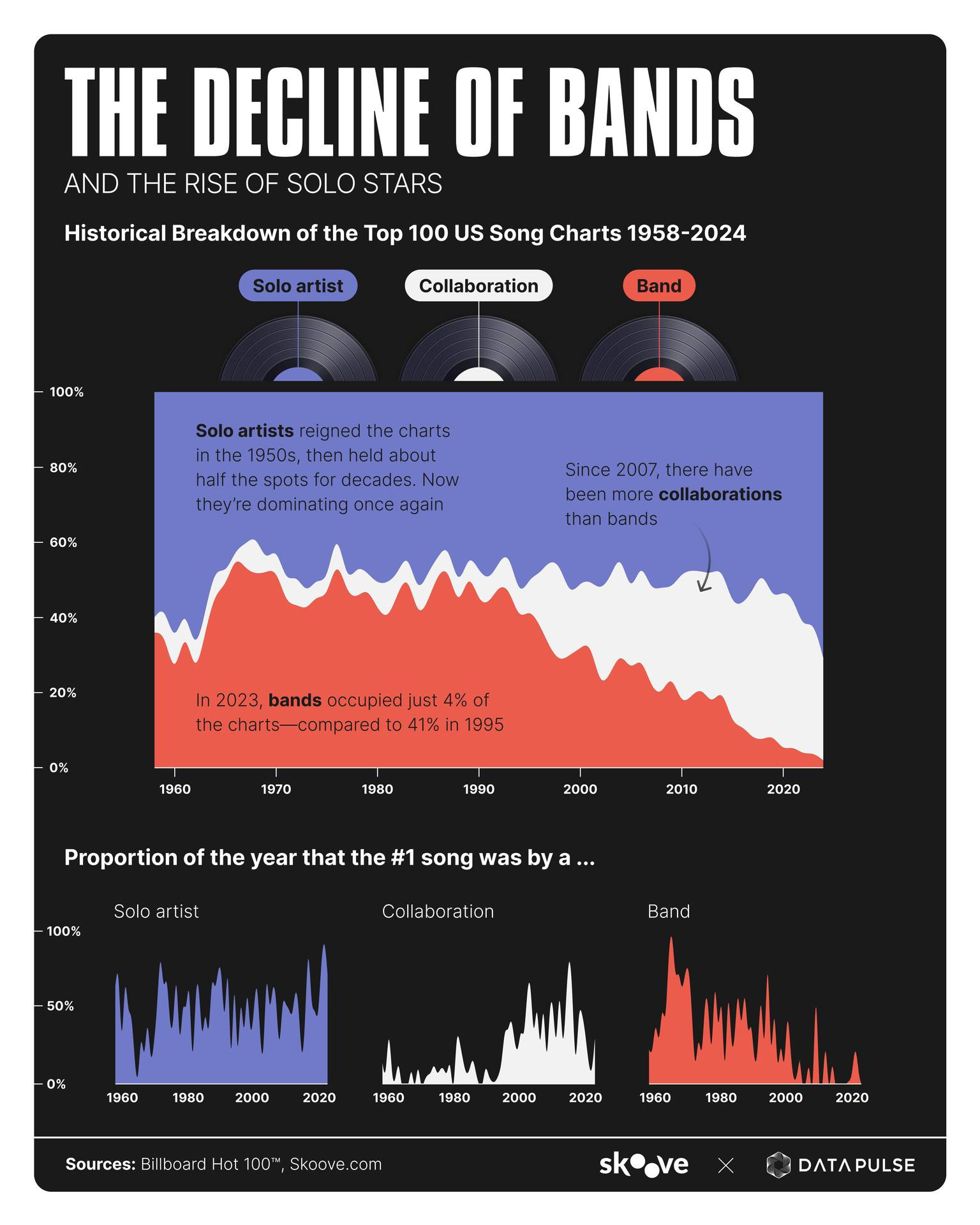
The second thing that’s happened in the last 20 years is the technological change of how we listen to music. From CDs to Napster, then Apple Music and Spotify, I don’t have to go to a music store to purchase that precious jewel-cased CD. For less than half an album a month, I have access to every album ever recorded, from Tchaikovsky to Tay-Tay and everything in between.
This change in music style and access has meant that I’ve had no reason to leave the top-tier talent of the glorious 94-07 years. Not only can I afford to catch up on every Tooth ‘n’ Nail or Facedown Records release that I missed at the time, but I can also catch up on everything that was happening outside of the Christian scene. Bands whose names hover on the edge of my memory from Warped Tour schedules and CDs being passed around the school bus can be on regular repeat throughout the day, without the financial hit.
Which is why I so thoroughly enjoyed reading Sellout. Dan Ozzi’s tour through this era of punk music’s ascendance in popular culture scratched my nostalgic itch while also offering up the stories of bands I didn’t, or barely, knew. Here are three lessons I learnt from these stories.
1. Lost and Found
The first lesson was (re)discovering bands that I was less familiar with. Due to my immersion in the Christian music scene, I was more likely to know some obscure single that ended up on an HM Magazine sampler disc than some of the biggest albums of this era. I have been thrilled to spend time listening to the full releases of some bands I was already familiar with (Green Day, Blink-182, and At The Drive In), those whose names I knew but hadn’t engaged with (Jimmy Eat World, Thursday, My Chemical Romance, and Rise Against), and discover bands that I had entirely missed (Jawbreaker, The Donnas, The Distillers and Against Me!).

On the one hand, I’m sorry to have missed these bands in their moment. Several chapters include memorable anecdotes of Australian tours, which, had I been more alert to the world outside of the Christian scene, I may have made effort to be there. On the other hand, I am grateful for the multiplicity of social structures that God used to keep me attentive to Him, his word, and his church. This included those in the alternative music scene who were able to love punk music without losing love for Jesus. I don’t know whether Living Sacrifice or Zao were the best hardcore metal acts out there. But the spirit-filled hardcore that they played (at least, at the time) fuelled both my love of heavy music and my faith in Jesus.
It’s popular for those of my vintage to scoff at the Christian music scene that we grew up with in the 90s. And while I’ve appreciated the retrospective takes by those in, or next door to, the deconstructionist camp, I can’t go all the way with them. I know that my faith has strengthened and matured since my teenage years. There are complexities of God and his Word that I have come to appreciate. There are doctrines and beliefs that have been reassessed and retested, and to which I have come to different (or as yet unsettled) conclusions. There are travesties of the church’s witness to the world and leadership abuse that I have had to grapple with. But this has not left me bemoaning the simplicity of moshing along to “my best friend was born in a manger” nor “just know this that God is faithful / even if you don't have faith yourself” (irony noted). It gives me an appreciation that there were expressions of faith that also matched my musical inclination.
More to the point, my maturity of faith as a 40-year-old Christian can now appreciate the scores of excellent punk and alternative bands from the 90s, whose sound I love, but whose decadence, vulgarity, and hedonism is far less likely to toss me around in the winds and waves of a secular counter-formation.
2. The Danger of Selling Out
The hinge point for every chapter in Sellout is the moment when the respective band decides to sign a contract with a major record company. For many, this meant leaving current signings with underground or independent labels such as Lookout!, Fat Wreck Chords or Epitaph for the anticipation of mainstream success with one of the Big Six—Sony Music, EMI, MCA/Universal, BMG, PolyGram, or Warner Music Group. Ozzi explains how this resurgence of major label interest in the underground music scene was precipitated by the success of Nirvana and the opportunities that company A&R employees had of discovering the next breakout band.
The tension point for the artists is whether or not this major label signing runs counter to their band’s values, a question that is particularly poignant for artists in a scene that prides itself on being anti-establishment and anti-corporate. How much integrity can you really have singing “stick it to the man” when “the man” has paid you multiple-hundreds-of-thousands of dollars in advance with which to buy you new gear as well as touring and recording time?
And it is not only your own integrity that you have to placate, but that of your existing underground audience. As Ozzi describes in the opening chapter on Green Day’s mainstream release Dookie, the vitriolic reaction to the band’s major label signing left them without the support and community of their beloved Bay Area scene. Fans, venues, and influential underground publications like Maximum Rocknroll turned against the band, banning them from performing and staging walkouts in other local gigs.

The question of selling out vs. authenticity is one I remember in the Christian alternative scene as well, although with the added layer of whether it was a net positive or negative for a Christian band to move onto a secular label. When MxPx moved from Tooth & Nail Records to A&M (parented by PolyGram and later Universal), the controversy exploded into the pages of leading zines, CCM and HM Magazine. The contract break with T&N spawned passive-aggressive song lyrics about slavery in What’s Mine Is Yours, the awkward co-release of MxPx’s next album Slowly Going The Way of the Buffalo, as well as the cheeky release of a demo and b-side collection from Tooth & Nail that coincided with the new album in a way that confused audiences as to which was the new MxPx album they had been expecting.
But was MxPx’s success in the mainstream a sellout? I am confident that their journey would make a worthy additional chapter to Dan Ozzi’s book, including the twists and turns of their faith journeys, return to T&N, and subsequent independent records. But as I noted above, the question for Christian bands at the time was also complex. If a Christian band goes from a “Christian” label to a “secular” label, is that selling out of their Christian values? Or is this validation from outside the Christian market that Christians can also make good music? Do Christian bands “sell out” or are they “discovered”?
This may not be all that different to the conundrum faced by those underground bands “discovered” during the major label phase of punk rock in the 90s-00s. Perhaps major label validation of anti-authority values is something to aspire to and the irony worth celebrating.
However, it does raise the probing question that may come to any of us at particular moments in our life. Is this opportunity one that forces me to compromise my values, or does it allow me to further promote them and live them out? Perhaps there will be some inevitable give and take here. How else would a much-needed book on humility sell, if not for the promotion by the author? The importance of knowing and articulating one’s own values is paramount, as is the ability to discern in any particular moment what the hierarchy of those values needs to be.
3. The Value of Shared Vision
One of the most interesting aspects of comparison between chapters of Ozzi’s book is how well the respective bands fared after getting signed to a major label. For all the rejection that they received from their underground fanbase, Green Day went from strength to strength and became one of the most popular and successful bands of that era. Likewise, Blink-182, who were signed very early in their career, both by virtue of their later formation (when the feeding frenzy was already well established), as well as their vision of being the biggest band in the world. For Blink, signing to a major label wasn’t selling out on their values, it was their explicit value and pursuit from day one.
However, other bands did not fare so well. The second chapter tells the story of Jawbreaker. This was one of the bands that I had not heard of, and reading the chapter, I understood why. Not long after their major label release, the fracturing of the band’s internal relationships, intensified by the pressure of major label expectations, led to their breakup. A similar fate awaited At The Drive In, whose members splintered into separate acts, The Mars Volta and Sparta. The story of Jimmy Eat World has it’s own unique flow. After inter-label squabbling about the marketability of the mainstream release Clarity, they were eventually let go, only to go on and independently record their most commercially successful and best received record, Bleed America.
What stood out to me in a number of these stories was the importance of having a shared vision amongst all the invested parties involved in a band’s performance, recording and marketing. Jawbreaker and At The Drive In had internal struggles, the downfall of many a good band. For Jimmy Eat World, whilst the band had cohesion, their label management were uncommitted to market them and promote them in a way that supported their craft. And in terms of the recording process, the story of Rise Against was particularly instructive.

Before being signed to Dreamworks, Rise Against had found underground success and released two albums with independent label Fat Wreck Chords. It was during the recording of the second of these albums, Revolutions per Minute, that they partnered for the first time with producer Bill Stevenson, drummer and songwriter for punk bands Black Flag and Descendents. Ozzi recounts the warmth of this partnership.
“The band formed a deep and personal kinship with Stevenson… Members of Rise Against would go on to cite Stevenson in future interviews as a friend, a mentor, a musical soulmate, and an honorary member of the band.” (p.309)
What stood out to me about the shared vision between Rise Against and Bill Stevenson was the value that Stevenson was able to give to the band, precisely because they took to him as both a friend and a mentor. It was a positive and collaborative relationship, one in which the authority of the elder punk rocker was received by the young band, much to their benefit.
Ozzi goes on to write that “Stevenson challenged each of [the band members] to push themselves beyond the extent of their talents” and that “when they listened back to the recordings, the band heard a version of themselves that surprised them.” This formative relationship, pushed the band to be better versions of themselves. His clout as mentor and producer allowed him to train them up for the betterment of their craft. After Rise Against signed to a major label, they felt the need to record with a more ‘major label’ producer and went with Garth Richardson for their mainstream release Siren Song of The Counter-Culture. However, due to dissatisfaction with both the recording process, as well as the finished album, the band returned to Stevenson for their next four LPs.
I finished this chapter thinking about my own mentors, colleagues, and partners that I have in the world of ministry generally, and children’s ministry in particular. I am especially thankful for those “elder punk rockers” who have encouraged and challenged me, pushing me to the extents of my talents, so that what I “produce” may be a version of myself that surprises even me. It is the shared vision that allows for this formation. Hard conversations, painful edits of articles and book chapters, pointed critiques of sermon applications, texts and phone calls which call out sin or rebuke failings… when any of these are done by ministry soulmates who you know are pursuing your best… these are the relationships in which “deep and personal kinship” is found.
Thanks for taking the time to read this Off Topic piece. If you’d like to support my writing, please consider being a subscriber. Each paid subscription helps justify the time and caffeine required to put out content like this.
If you’d like to listen to all the albums mentioned in Dan Ozzi’s Sellout: The Major-Label Feeding Frenzy that Swept Punk, Emo, and Hardcore (1994-2007), I have put together these two playlists on Spotify. The first playlist includes all the albums covered in the main chapters of the book which is the first major label release of each artist. The second playlist puts together albums from bands who did not get a chapter in the book, but do have significant interview transcripts in the paperback version. This second playlist pulls together either the mainstream release, or a breakthrough album, for each artist, some of which resisted ‘selling out’ and remained independent.