

The following is the text from my sermon preached on 27th-28th December, 2025, at Soul Revival Church, Kirrawee. You can watch the sermon on YouTube, listen along on the Soul Revival Church sermon podcast, or view the Saturday night Gathering in its entirety on Facebook with the Psalm 98 Bible reading starting at 23:50.
Joy To The World - A Christmas Carol?
During the week, at our Christmas gatherings, Soul Revival Church has been looking at Carols Illuminated, and recognising that many of the best carols are “sermons in song form”. That is, they illuminate for us the Gospel message of Jesus’s birth, his incarnation, his condescension into the world of humanity, his taking on of human flesh, to live a human life, to die a human death, and come back to life in a human resurrection, all so that those who trust in his death as payment for their sins, as substitution for their own just punishment by a holy God, may live forever within God’s eternal family in New Creation.
And Joy to the World, our “carol” (or is it…) for today, is one such song that we sing at Christmas time and that tells many of these great truths about who Jesus is, and what we can do in response.
But before we dig into the meaning of the song, here’s a little bit of its history.
Joy To The World was written by Isaac Watts, and published in 1719 in a collection of hymns based on the Psalms called Psalms of David Imitated in the Language of the New Testament.
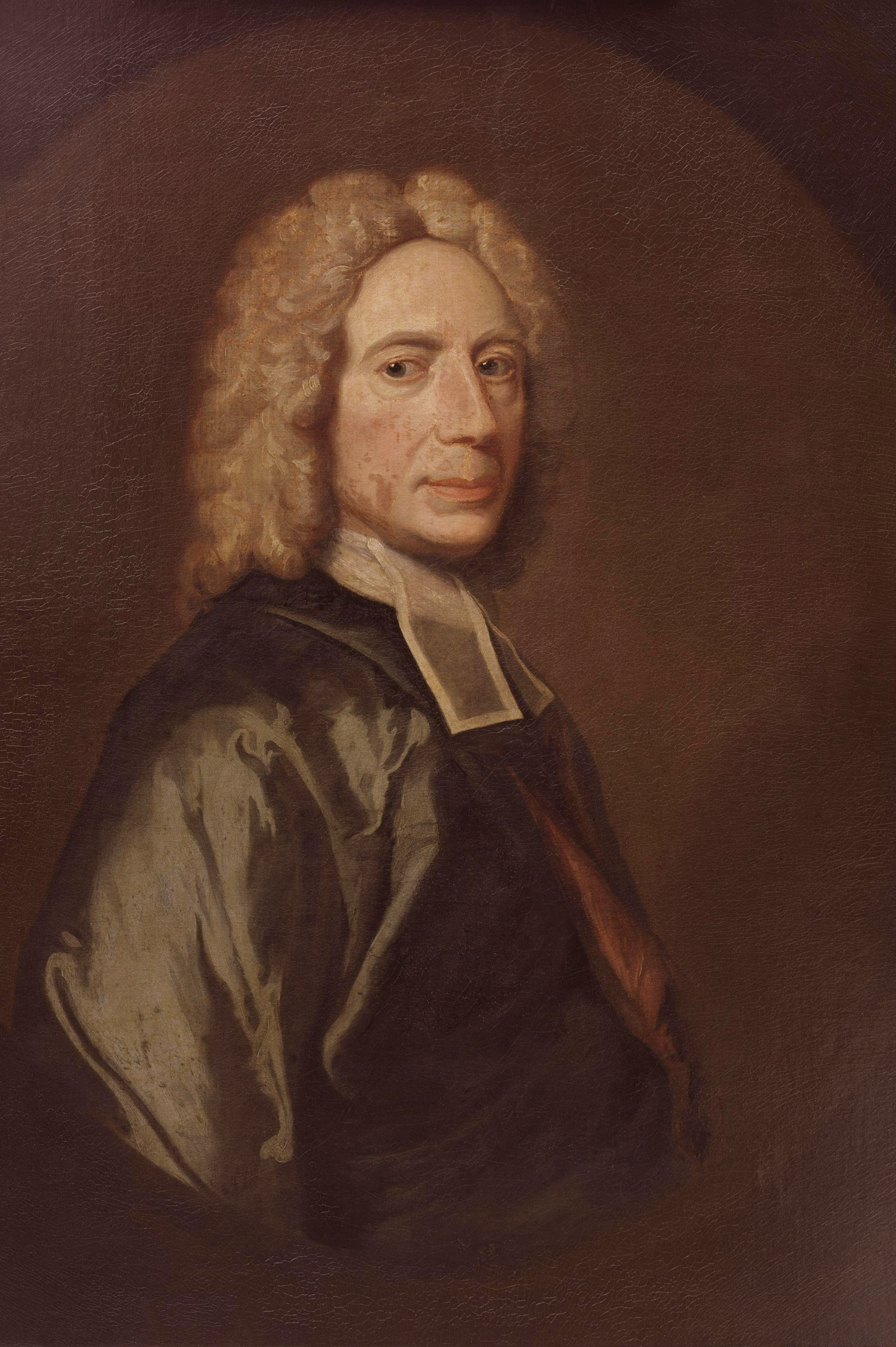
At the time, church music was largely singing the Psalms or other large sections of Scripture, which, according to one source, Watts found monotonous.
Here’s one famous quote from Watts about the state of singing in the church at the time:
“To see the dull indifference, the negligent and thoughtless air that sits upon the faces of a whole assembly, while the psalm is upon their lips, might even tempt a charitable observer to suspect the fervency of their inward religion.”
In other words, if you look at the way that Christians sing to their God, you might start to wonder if they really believe the words they are singing.
We would never have that problem today, right?! You’d never look around church and see people singing “How great is our God, sing with me, how {YAWN} great is our God”, would you?
But, Issac Watts’ dad, Isaac Watts Senior, told him to stop whinging and do something about it. So he did! He spent his life writing lyrics that “exalted Christ and reminded Christians of their hope in his saving work on the cross.”
This gives us a good guide to understanding what the song is all about. Joy To The World is Psalm 98, but refocused through the Gospel story of Jesus. More on that in just a moment.
Watch the sermon on YouTube
But first, just a quick word on the music. There is a fascinating section on the Wikipedia article for Joy To The World. So if you love a good bit of musical theory and history, I recommend getting into the weeds there. Here’s the quick version: Joy To The World was published several times with different music accompaniments. However, the tune we know today was written by Lowell Mason, who is considered to be America’s first “music educator” because of his influence in getting music into American public schools, as well as being a church music director and sometimes banker.
When it came to church music, Mason’s real passion was about getting the congregation singing. So, he got rid of all professional musicians from churches (except the organist) so that the congregation members themselves would be the ones singing the songs in church, rather than a professional or semi-professional choir.
So, thanks to these two gentlemen—Isaac Watts and Lowell Mason—and their shared passion for passionate congregational singing, across a 130-year gap in creativity, we have the beloved song “Joy To The World”.
BUT! The question remains… Is it a Christmas Carol?
And the answer is… Ehrrr… maybe… it depends.
An Advent Hymn
As I’ve already said, the song is based on Psalm 98, not one of the Christmas narratives like other carols we have looked at this week.
But let’s have a look at the lyrics themselves.

Joy to the world the Lord is come
Let earth receive her King
Let every heart prepare him room
And heaven and nature sing
“The Lord is come” is a weird old English way of saying, ‘The Lord has come’ (i.e., it’s past tense). And Christmas is certainly a time to celebrate the coming of the Lord, the King, the Saviour. Which is what we’ve been doing all week.
In fact, it’s what the traditional church calendar does for the four weeks leading up to Christmas, which is the season of Advent, or “coming/arrival”. You’ve probably heard that term before. We have advent calendars of all shapes, sizes and styles. I know that at Soul Revival Kids, we talk about Advent every year in the weeks leading up to Christmas.
The season of Advent, the purpose of an Advent calender for example, is about counting up the days until Christmas. But it is not just Christmas that we are counting up to and looking forward to. What else are we looking forward to?
Christ’s Return, which is the… 3rd Advent.
Wait up… the 3rd Advent?! What’s going on there?
Well, there are 3 advents, 3 arrivals, in Scripture. There’s Christmas (Christ’s first arrival, as a baby in Bethlehem), Christ’s Return (often called his second coming, when he returns to establish New Heavens and New Earth and live with us here in this restored Creation for all eternity).
But in the middle, there’s another “arrival” that we celebrate. The arrival of the Holy Spirit.
Here’s what Jesus says about the Holy Spirit’s “coming”, his “arrival”, during Jesus’ final meal with his disciples before he goes to the cross. Notice the language of coming, arrival and presence in the text…
I will ask the Father, and he will give you another advocate to help you and be with you for ever – the Spirit of truth… I will not leave you as orphans; I will come to you. Before long, the world will not see me anymore, but you will see me. Because I live, you also will live. On that day, you will realise that I am in my Father, and you are in me, and I am in you.
John 14:16-20
And a little bit later…
Very truly I tell you, it is for your good that I am going away. Unless I go away, the Advocate will not come to you; but if I go, I will send him to you. When he comes, he will prove the world to be in the wrong about sin and righteousness and judgment.
John 16:7-8
Now we’re going to spend a lot more time in John 14-16 during the first term of next year, so stay tuned for more exploration of what’s going on in these chapters. But for now, it’s great to notice these three arrivals of Jesus:
Christ’s incarnation at Christmas,
Christ’s present indwelling by the Holy Spirit in the believer, and
Christ’s future coming and the establishment of his eternal Kingdom in the New Creation.
WHY?
Because we see all three of these in Isaac Watts’ Joy To The World: past, present and future “arrivals”. AND we see all three—past, present and future tenses—in Psalm 98, which was read out for us and from which Watts based his song.
Let’s have a look side by side.
Joy To The World - Verse One
Joy to the world, the Lord is come
Let earth receive her King
Let every heart prepare him room
And heaven and nature singPsalm 98:1-3
Sing to the Lord a new song,
for he has done marvellous things;
His right hand and his holy arm
have worked salvation for him.
The Lord has made his salvation known
and revealed his righteousness to the nations.
Both song and psalm celebrate what God has already done. Of course, the Psalm is written long before the Christmas event, so Psalm 98 is not celebrating the incarnation, but it is celebrating all the mighty, saving acts that Yahweh, the covenant-keeping God of the Old Testament, has already done for his people up to this point.
But remember that for Watts, as he “imitates the Psalms of David in the language of the New Testament”, he recreates and rewrites the Psalm, focusing not just on the salvation that God won for his people in the Old Testament, but on the ultimate act of Salvation, the coming of Christ in the first Advent.
So, celebration of the past “arrival” of God and the salvation that he brings… CHECK
Joy To The World - Verses Two & Three
Joy to the earth the Saviour reigns
Let men their songs employ
While fields and floods, rocks, hill and plains
Repeat the sounding joyPsalm 98:4-6
Shout for joy to the Lord, all the earth,
burst into jubilant song with music;
make music to the Lord with the harp,
with the harp and the sound of singing,
with trumpets and the blast of the ram’s horn
shout for joy before the Lord, the King.
In both song and psalm, all of creation sings to God. Why? Because he is the Lord, he is [PRESENT TENSE] the Saviour and Lord. Right now, in the everyday lives of the believer, in the present through the “arrival” of the Holy Spirit, the advocate, the Saviour reigns.
Because of Jesus’ first advent, the Kingdom of God has come (Mark 1:15). And what is the Kingdom? The Kingdom is the realm of God’s reign. I’ll say that again. God’s Kingdom is the realm (the extent, the reach) of God’s reign (where he is King). And where is his Kingdom most evident in the present? In the very hearts of those who trust in him.
And what does this reign look like? Well, verse three of Joy To The World gives us a great picture of this.
No more let sin and sorrows grow
Nor thorns infest the ground
He comes to make his blessings flow
Far as the curse is foundPsalm 98:7-9
Let the sea resound, and everything in it,
the world, and all who live in it.
Let the rivers clap their hands,
let the mountains sing together for joy;
let them sing before the Lord…
The reign of Christ in the lives of the believer, through the indwelling of the Holy Spirit, radically changes our relationship with sin in our lives.
The Bible describes the unbeliever as “dead to sin”, “blinded” and “veiled to the truth”, “enslaved to sin” and that “death reigns over us”. But, those who have come to Christ, who have accepted his gift of salvation, His victory over death and sin through his death and resurrection, are “alive to Christ”, “free from death and sin” and “clothed with Jesus Christ” and “being transformed into his image”.
Because of the present “arrival” of Jesus through his Holy Spirit, we can live into this encouragement and command from the song, “no more let sin and sorrow grow”.
There’s also this strange diversion, in both the song and the psalm, into the created world, “no more let … thorns infest the ground, He comes to make his blessings flow, Far as the curse is found”.
This is a throwback to Genesis 3, where Adam and Eve’s sin curses the whole of creation, thorns infest the ground, and Romans tells us that all of creation is groaning for its salvation, its redemption, its freedom from the bondage of sin and death. This is why in Psalm 98, the creation is joining in the celebration of God’s salvation. (Which I did a whole talk on at Youth Camp, so ask the teenagers what they remember about how the Gospel story relates to creation).
So, celebration of the present “arrival” of God and the salvation that he brings through the reign of the Holy Spirit in the believer’s life?… CHECK
Joy To The World - Verse Four
He rules the world with truth and grace
And makes the nations prove
The glories of his righteousness
And wonders of his lovePsalm 98:8-9
Let the rivers clap their hands,
let the mountains sing together for joy;
Let them sing before the Lord,
for he comes to judge the earth.
He will judge the world in righteousness
and the peoples with equity.
Notice the future tense of both song and psalm. It’s more obvious in Psalm 98, you can see straight away “He comes to judge the earth (on its way but not completed yet), He will judge the world in righteousness (coming up, but not now).
Even in Joy to the World, we can sense a future tense in Jesus’ ruling of the world with truth and grace and making all nations prove the glories of his righteousness. This is not yet true in its entirety. All of the world is not yet under the realm of God’s reign. Nations do not yet all speak out the majesty of God and prove the glories of his righteousness and wonders of his love.
But these are the promises of the Bible for Jesus’s coming and future arrival, the third advent, when Jesus establishes his permanent Kingdom in New Creation.
So, finally celebration of the future “arrival” of God and the salvation that he will establish in the new heavens and the new earth?… CHECK
Joy To The World - So What?
Finally, so what? What’s our response to Psalm 98, the 3 advents (3 arrivals) of Jesus, and the song Joy To The World?
Well, the cool thing is, there are applications built right into the song:
Verse 1: Let ev’ry heart prepare him room
The first response to the news of Christ’s advent is to receive him as Lord, Saviour and King; to repent from your sins, accept his free gift of salvation and all that that entails. If that is not already true of you this day, then why not today?
Verse 2: “Let men their songs employ
Use your breath, your voice, your song, your life, your vocation, to bring praises to God. Join in with the whole of Creation, the fields and flood, rocks, hills and plains, with all of heaven and nature, and sing of the glory of Jesus, who he is and what he has done!
Verse 3: “No more, let sin and sorrows grow”
For those of us who are already in Christ, who have prepared room in our hearts for the arrival of the Holy Spirit and are already disciples of Jesus, continue hour by hour, day by day, week by week, to put off the old self and put on the new self won for you by Christ and empowered in you by the Spirit.
As Paul writes in Colossians…
Since then, you have been raised with Christ, set your hearts on things above, where Christ is, seated at the right hand of God… Put to death, therefore, whatever belongs to your earthly nature… as God’s chosen people, holy and dearly loved, clothe yourselves with compassion, kindness, humility, gentleness and patience.
Colossians 3:1-17
In other words, Christian, no more let sins and sorrows grow. Rather…
And whatever you do, whether in word or deed, do it all in the name of the Lord Jesus, giving thanks to God the Father through him. (v.17)
A Christmas Carol?
Is Joy To The World a Christmas Carol? Yeah, no, kinda… it depends.
It is certainly a song that is kind of about Christmas.
But much more, it is a song about Advent, the “arrival”. Not just the first arrival of Christmas, but the present arrival of the Spirit in the life of the believer, and the third arrival (which is the second coming… it’s confusing, I know!) and the establishment of the New Creation.

Should we sing Joy To The World at Christmas time? ABSOLUTELY!!!
AND… if I could be so bold … I’d love to sing Joy to the World all year round. Isaac Watts did not intend this song to be a Christmas Carol… if by that we mean we only sing it during the season of Advent and Christmastide. In fact, I think he’d be a bit disappointed if we neglected this hymn for eleven-twelfths of the year.
So here’s my pitch! Let’s free “Joy To The World” from only appearing in our Christmas rotation, and sing it all year round!
Remember Watts’ aim: after criticising the “indifferent, negligent and thoughtless air that sits upon the faces of his congregation”, Watts spent his life writing songs like Joy To The World that “exalt Christ and remind Christians of their hope in his saving work on the cross.”
That is true at Christmas, and at New Year, and Easter, and at Week Away, and a random weekend in September. Let us never become indifferent to singing the praises of our great God, Saviour, Lord and King.